Integrating Probiotics Into Your Dog’s Diet

Understanding Probiotics and Their Benefits for Dogs
Probiotics are live microorganisms that, when administered in adequate amounts, confer health benefits to the host, in this case, our canine companions. In dogs, probiotics primarily consist of beneficial bacteria that contribute to the maintenance of a balanced gut microbiome. These microorganisms play a critical role in the digestive system by helping to break down food and facilitate nutrient absorption, ultimately enhancing the overall health of the dog.
The gut flora of dogs can be influenced by various factors, including diet, stress, and medication, particularly antibiotics, which can disrupt the natural balance of microorganisms. This imbalance can lead to gastrointestinal issues such as diarrhea, constipation, and bloating. By introducing probiotics into a dog’s diet, pet owners can help restore this balance, promoting optimal digestive health and overall well-being. The beneficial bacteria provided by probiotics compete with harmful bacteria for resources, potentially inhibiting the growth of pathogens and supporting gut health.
Beyond improving digestive function, the use of probiotics in dogs has been linked to several additional health benefits. They play a crucial role in enhancing the immune response, as a significant portion of the immune system is found in the gastrointestinal tract. By promoting a healthy gut environment, probiotics may help reduce the incidence of infections and allergic reactions in dogs. Furthermore, research indicates that probiotics can aid in the management of certain gastrointestinal conditions, such as inflammatory bowel disease and food allergies. Overall, integrating probiotics into a dog’s diet can lead to improved digestion, enhanced immune function, and a reduction in gastrointestinal issues, ensuring that dogs lead happier and healthier lives.
Criteria for Choosing the Best Probiotics for Your Dog
When selecting the best probiotics for dogs, several critical factors should be considered to ensure optimal digestive health. Probiotics contain live microorganisms, and the specific strains included in the product can significantly impact their effectiveness. Different strains serve various purposes, so it is essential to choose a probiotic that targets your dog’s particular health concerns, whether it be improving gut flora balance or alleviating gastrointestinal distress.
The CFU (colony-forming units) count is another crucial criterion in evaluating probiotic products. CFUs indicate the number of viable microorganisms present in a dose of the probiotic. Generally, products with a CFU count in the billions tend to provide more beneficial effects. However, it is important to consider your dog’s size and specific health needs when determining the appropriate CFU level.
The form of the probiotic is also a significant factor. Probiotics for dogs come in various formats, including powders, chews, capsules, and liquids. Each form has its advantages depending on your dog’s preferences and ease of administration. For instance, powders can be easily mixed into food, while some dogs may prefer flavored chews.
Furthermore, assessing the quality and safety of a probiotic product is essential. Look for products that have undergone clinical trials, and verify that they adhere to strict quality control measures. Choosing brands that provide transparency in their ingredient sourcing and manufacturing processes can also lend to the product’s credibility.
Lastly, consulting with a veterinarian prior to introducing any probiotic into your dog’s diet is highly recommended. Veterinarians can offer tailored advice based on your dog’s unique health history and requirements, ensuring that the probiotics chosen will support their digestive health effectively.
Top 5 Probiotic Recommendations for Dogs
Choosing the right probiotic for your dog can significantly enhance their digestive health and overall well-being. Below, we present five highly-rated probiotics specifically formulated for dogs, each with unique benefits that cater to various needs.
1. FortiFlora by Purina Pro Plan – This probiotic supplement features a proprietary probiotic strain, Enterococcus faecium, with a CFU count of 100 million per sachet. FortiFlora also contains vitamins and antioxidants to support immune health. Its palatable formula is ideal for picky eaters, making it an excellent choice for enhancing digestive function while promoting gut health.

- Gut Health Support for Dogs: Purina Pro Plan Veterinarian Supplements FortiFlora features live microorganisms that promo…
- Quantity: 30-count box of FortiFlora probiotics for dogs’ sachets contain guaranteed levels of dog probiotics specifical…
- Digestive: Probiotic supplement that helps firm up loose stools while promoting intestinal balance and reducing gas, mak…
2. PetHonesty Probiotic Chews – These chews contain a blend of several probiotics, including Bacillus coagulans, with a total CFU count of 2 billion per chew. Additionally, they include prebiotics to support the growth of beneficial bacteria in the gut. These tasty chews can improve diarrhea and gas issues, making them an excellent addition to your dog’s diet.
- BENEFITS BEYOND DIGESTION: Just like your daily supplement, your dog needs a daily probiotic to maintain a thriving inte…
- THE INSIDE STORY: Our chews are loaded with Pumpkin and Papaya to provide natural fiber and enzymes that aid in digestio…
- IMPROVING PET HEALTH: Introducing a probiotic to your dog’s daily routine will support beneficial bacteria & microflora …
3. VetriScience Probiotic Everyday – With over 5 billion CFUs from five different probiotic strains, this powder helps promote a balanced intestinal environment. It also contains omega-3 fatty acids for skin and coat health, making it a comprehensive option for dogs needing digestive assistance alongside general health support.
4. Zesty Paws Probiotic Bites – Infused with pumpkin and apple cider vinegar, these soft bites not only offer 1 billion CFUs of beneficial bacteria but also support digestive comfort. They are particularly beneficial for dogs prone to upset stomachs or those recovering from antibiotic treatments.

- Something Yummy for a Happy Tummy! – Probiotic Bites are functional soft chew dog supplements that support gut flora and…
- Featuring DE111 – This chewable supplement contains DE111, which is a clinically studied Bacillus subtilis that supports…
- For a Healthy Gut – Fido can continue to digest with more zest! Probiotic Bites help support gut flora and normal digest…
5. Nusentia Probiotics for Dogs – This potent powder contains a blend of 8 probiotic strains with a total CFU count exceeding 3 billion. It is designed to enhance gut health and relieve various digestive issues. Its hypoallergenic formulation makes it suitable for sensitive dogs with dietary restrictions.
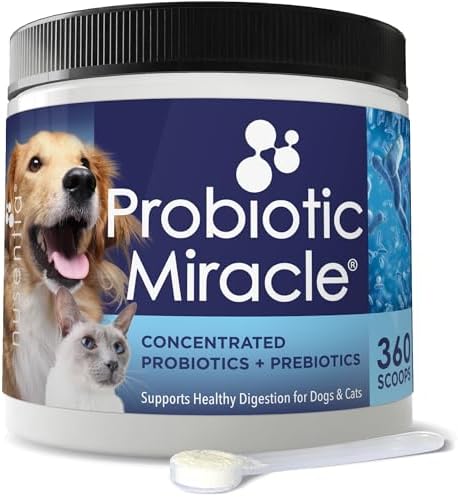
- 🐾 ORIGINAL PROBIOTICS FOR PETS SINCE 2008: Boasting 360 scoops (that’s an impressive 360 Billion CFU per jar), our Probi…
- 🐾 AMERICA’S #1 TRUSTED PET PROBIOTIC: Combat dog diarrhea, yeast overgrowth, loose stool, bad breath, constipation, itch…
- 🐾 ENDORSED BY VETERINARIANS: No rice, no maltodextrin. Our vegetarian, gluten-free, grain-free formula contains zero dai…
In conclusion, selecting the appropriate probiotic can greatly benefit your dog’s digestive health. Each of the aforementioned products offers distinct features tailored to specific needs, empowering pet owners to make informed choices. Always consult with a veterinarian before introducing a new supplement to ensure the best outcome for your furry friend.
Incorporating probiotics into your dog’s diet can significantly enhance their digestive health, but it is essential to do so thoughtfully. Start by selecting a suitable probiotic that aligns with your dog’s specific health needs. There are various forms available, including powders, capsules, and specially formulated foods. Depending on your dog’s preference, you may find one form easier to administer than others.
Dosing is a critical factor when integrating probiotics into your dog’s diet. Following the manufacturer’s guidelines is advisable, as the recommended dosage may vary based on the product and your dog’s weight. Generally, small breeds may require lower doses, while larger breeds can typically handle a higher count of active cultures. When introducing probiotics, start with a smaller dose and gradually increase it to monitor how your dog reacts. This method helps in identifying any potential food intolerances or allergies.
Be aware of potential side effects, which can include mild gastrointestinal upset such as gas or diarrhea when probiotics are first introduced. If these issues persist or worsen, it is advisable to consult your veterinarian. Observe your dog for signs of positive response, which may include improved stool consistency, increased energy levels, and enhanced overall wellbeing.
Furthermore, consistently monitoring your dog’s digestive health after introducing probiotics is vital for assessing their effectiveness. Keeping a record of your dog’s bowel movements can help you notice changes, enabling prompt adjustments if needed. Every dog is unique, and their response to probiotics may vary; therefore, you may need to experiment with different strains or dosages to find the optimal fit for your canine companion.